Expert Tips for Keeping Your Dog Calm During Grooming Sessions
JK
Understanding Your Dog's Anxiety
Grooming can be a stressful experience for many dogs. Understanding the root of your dog's anxiety is the first step in helping them feel more relaxed. Some dogs may fear the unfamiliar sounds and sensations, while others may have had a bad experience in the past. Identifying these triggers can help you tailor your approach to calming your pet.
Creating a positive association with grooming tools and environments is crucial. Start by letting your dog sniff and explore the grooming area and tools while rewarding them with treats and praise. This positive reinforcement can gradually reduce their anxiety.
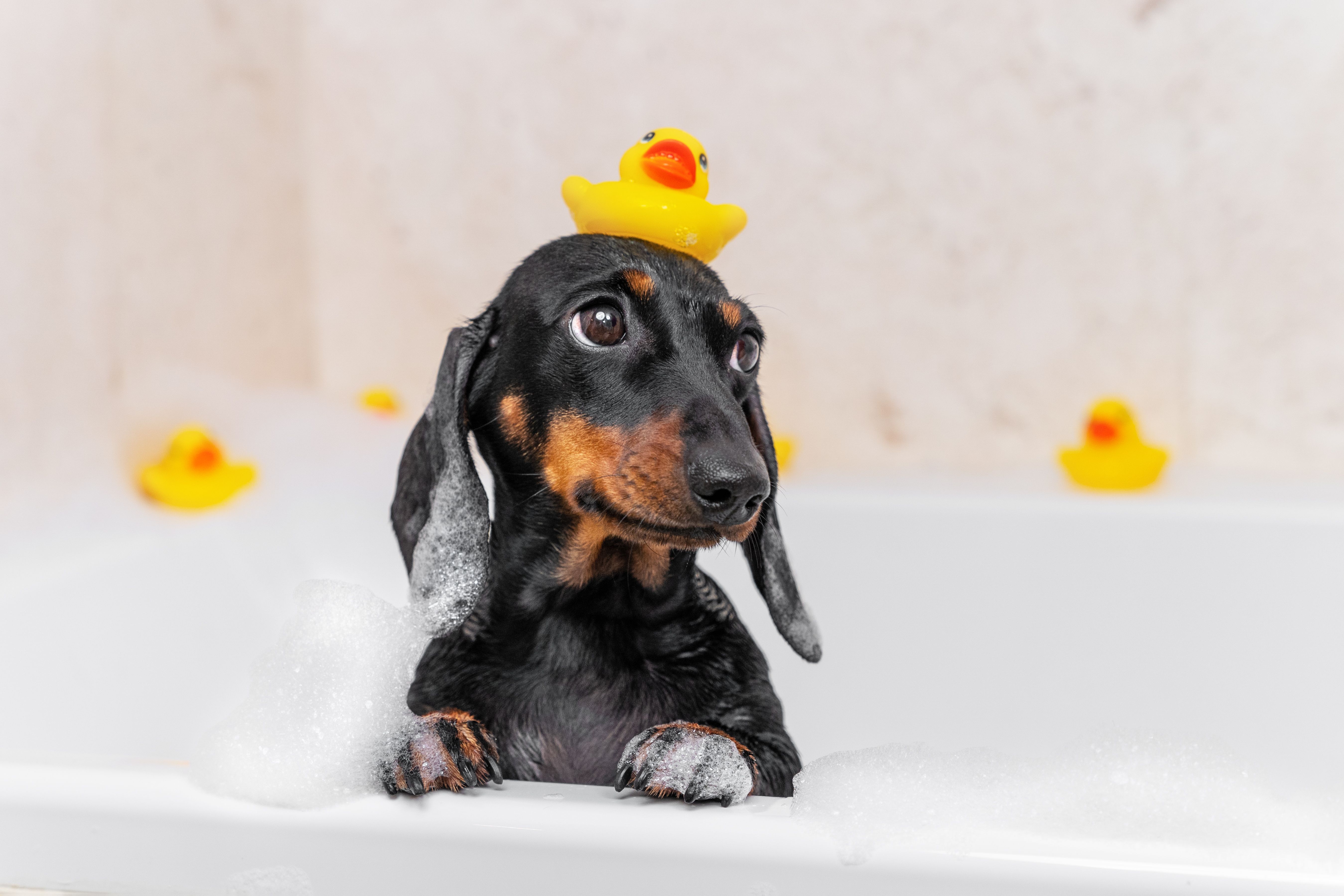
Preparing Your Dog for Grooming
A relaxed dog is easier to groom and less likely to become agitated. One effective technique is to ensure your dog has had some exercise before grooming. A tired dog is usually more compliant and less anxious. Plan a walk or play session to help expend some of their energy.
Another tip is to maintain a consistent grooming schedule. Regular grooming sessions help your dog become familiar with the routine, reducing stress over time. Consistency will also help you identify any specific areas of discomfort for your dog.
Using Calming Aids
Calming aids can be beneficial in reducing grooming anxiety. Consider using products like pheromone sprays or calming collars, which can help soothe your dog's nerves. Additionally, playing soft, calming music in the background can create a more serene environment.
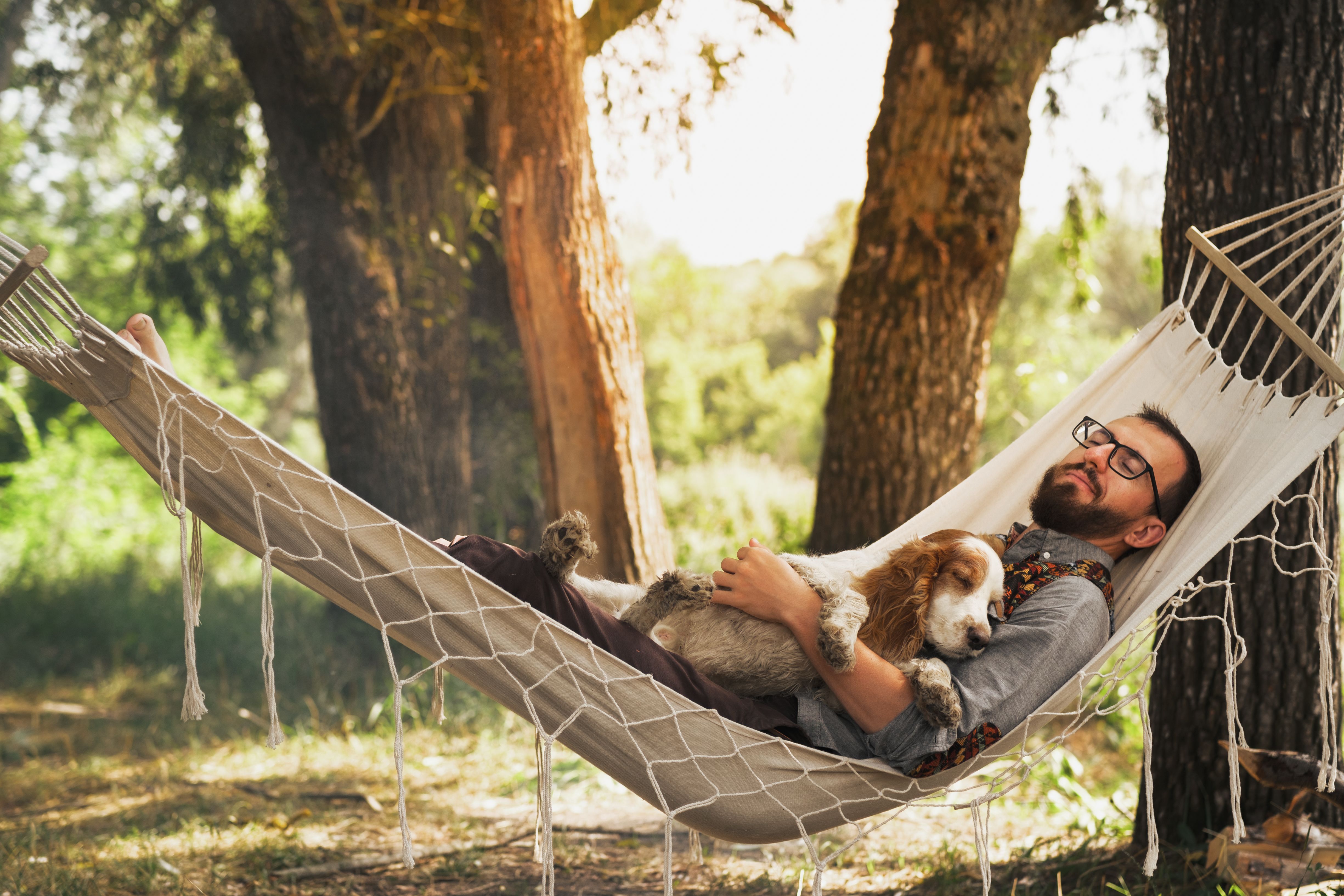
Techniques During Grooming
During the grooming session, maintain a calm and reassuring demeanor. Dogs are sensitive to their owner's emotions, so staying composed can help your dog feel more at ease. Speak in a soothing voice and offer treats for good behavior.
If your dog becomes anxious or restless, take frequent breaks. Short, positive grooming sessions are more effective than long, stressful ones. Gradually increase the duration as your dog becomes more comfortable.
Professional Grooming Help
Sometimes, professional help may be the best option. Professional groomers are trained to handle anxious dogs and can provide a stress-free experience. When selecting a groomer, look for someone who is patient and has experience with nervous dogs.
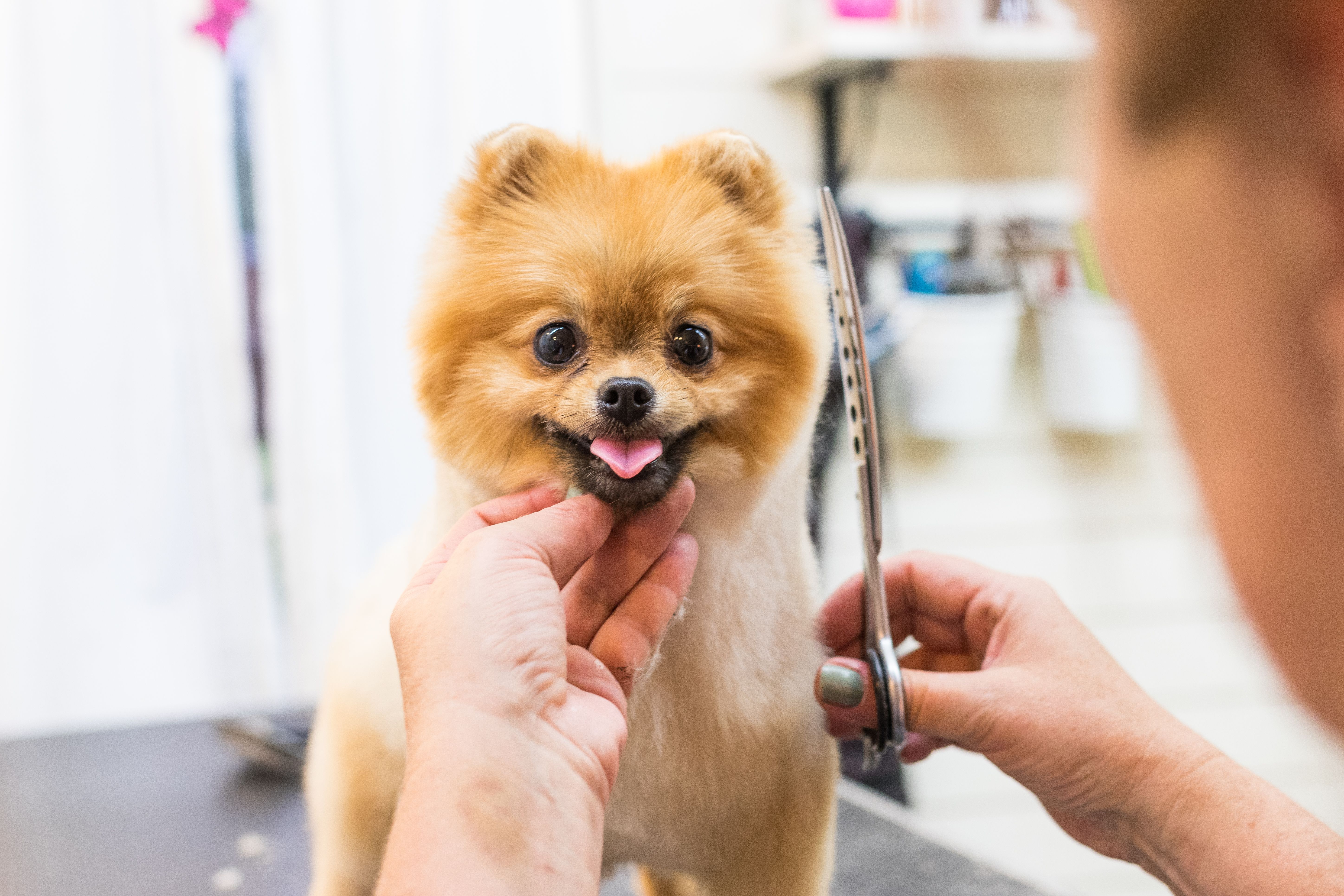
Post-Grooming Care
After the grooming session, reward your dog with their favorite treat or a fun activity. This positive reinforcement helps them associate grooming with positive outcomes. Additionally, check for any signs of discomfort or irritation after grooming, and consult your vet if needed.
Remember, patience and consistency are key. With time and practice, grooming can become a routine part of your dog's life, free from stress and anxiety.